
Hardwood Performance Where Solid Wood Cannot Go
Engineered hardwood installation in Cincinnati offers moisture resistance and stability for basements, slabs, and modern layouts.
When your Cincinnati home is built on a concrete slab or you want hardwood in a basement, engineered hardwood gives you the look and feel of solid wood with better dimensional stability during humidity swings. The layered construction includes a plywood base topped with a hardwood veneer, which keeps the planks from expanding and contracting as much as solid hardwood does when indoor moisture levels change. Superior Floor Care installs engineered hardwood in kitchens, basements, and open-concept spaces where temperature and moisture vary more than in traditional living areas.
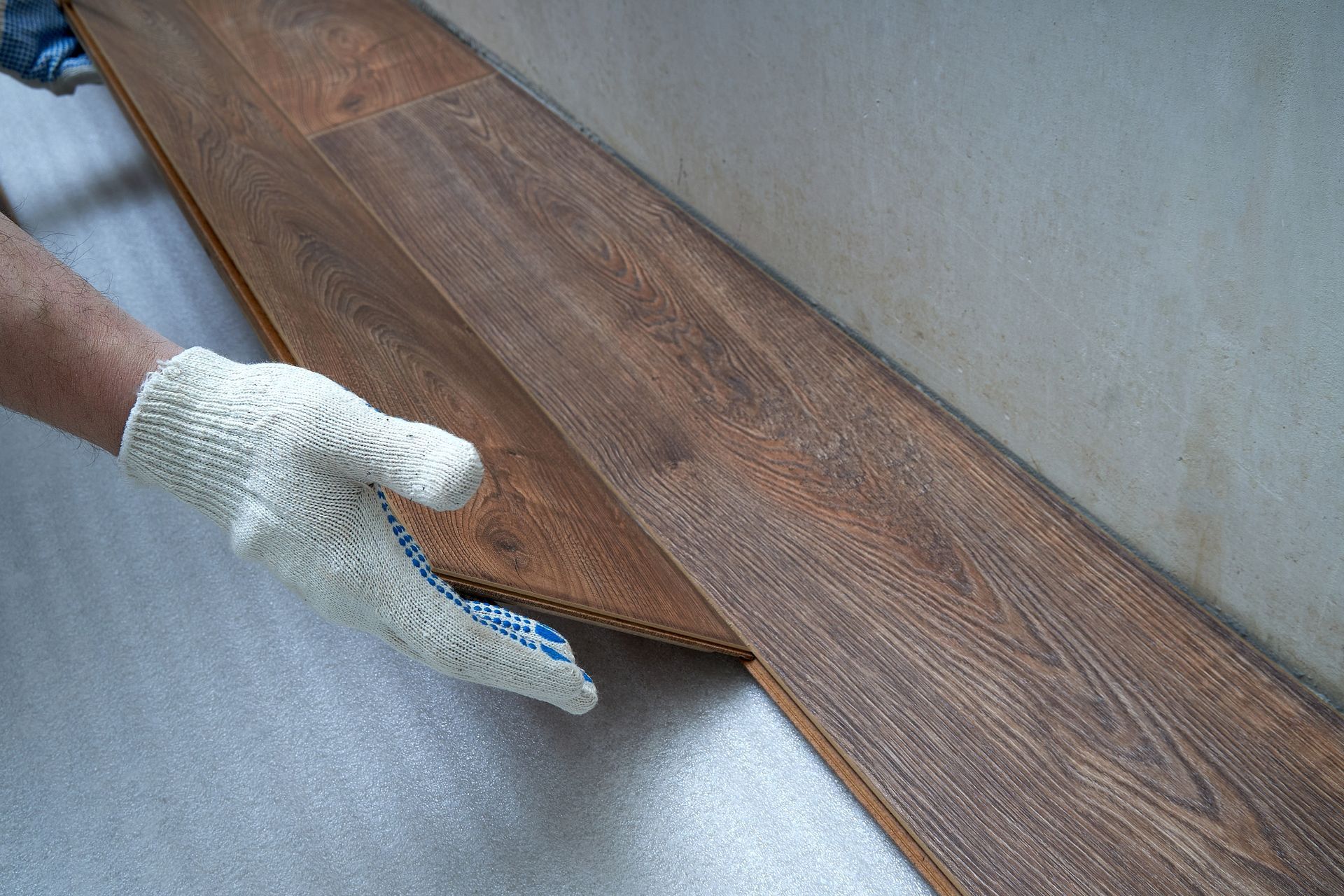
The service begins with a subfloor inspection to confirm the surface is clean, level, and dry enough for installation. Engineered hardwood can be installed using a floating method where planks lock together without adhesive, or a glue-down method where each plank is bonded to the subfloor for added stability. Wide-plank designs have become popular in modern Ohio homes because they show more of the wood's natural grain and require fewer seams across large rooms. You choose the wood species, plank width, finish type, and installation method based on your subfloor type and how the space is used.
Reach out to explore design samples and schedule an installation estimate for your Cincinnati home.
Why Engineered Hardwood Behaves Differently Than Solid
Once installed, engineered hardwood looks nearly identical to solid hardwood from above, but it handles moisture and temperature shifts better because of its layered construction. The plywood core resists the expansion and contraction that causes solid hardwood to cup or gap when humidity changes, which makes it a safer choice for below-grade spaces and homes without central humidity control. Superior Floor Care installs engineered hardwood throughout Cincinnati using techniques that account for your subfloor type and the room's exposure to moisture.
Engineered hardwood can be refinished depending on the thickness of the top veneer layer, though it typically supports fewer sandings than solid hardwood. The finish is applied at the factory, so the floor is ready to walk on as soon as installation is complete, with no drying time or odor from on-site finishing work. Wide-plank engineered hardwood creates a more contemporary look with fewer seams and more visible grain, while narrower planks suit traditional layouts and smaller rooms.
The service includes both floating and glue-down installation methods depending on your subfloor and whether you may need to remove the floor in the future. Floating floors are not attached to the subfloor and can be disassembled if needed, while glue-down installations provide a more permanent bond and eliminate hollow sounds when you walk across the floor. Installation timelines depend on square footage and subfloor preparation, but most projects are completed in one to three days once materials have acclimated to your home's indoor environment.
Answers to Questions About Engineered Hardwood
Homeowners in Cincinnati often ask how engineered hardwood compares to solid wood, whether it can be refinished, and where it performs best. These answers address practical concerns before installation begins.
Superior Floor Care installs engineered hardwood in basements, kitchens, and slab-foundation homes throughout Cincinnati using floating and glue-down methods that match your subfloor and layout. Get in touch to review material options and schedule an installation estimate.